
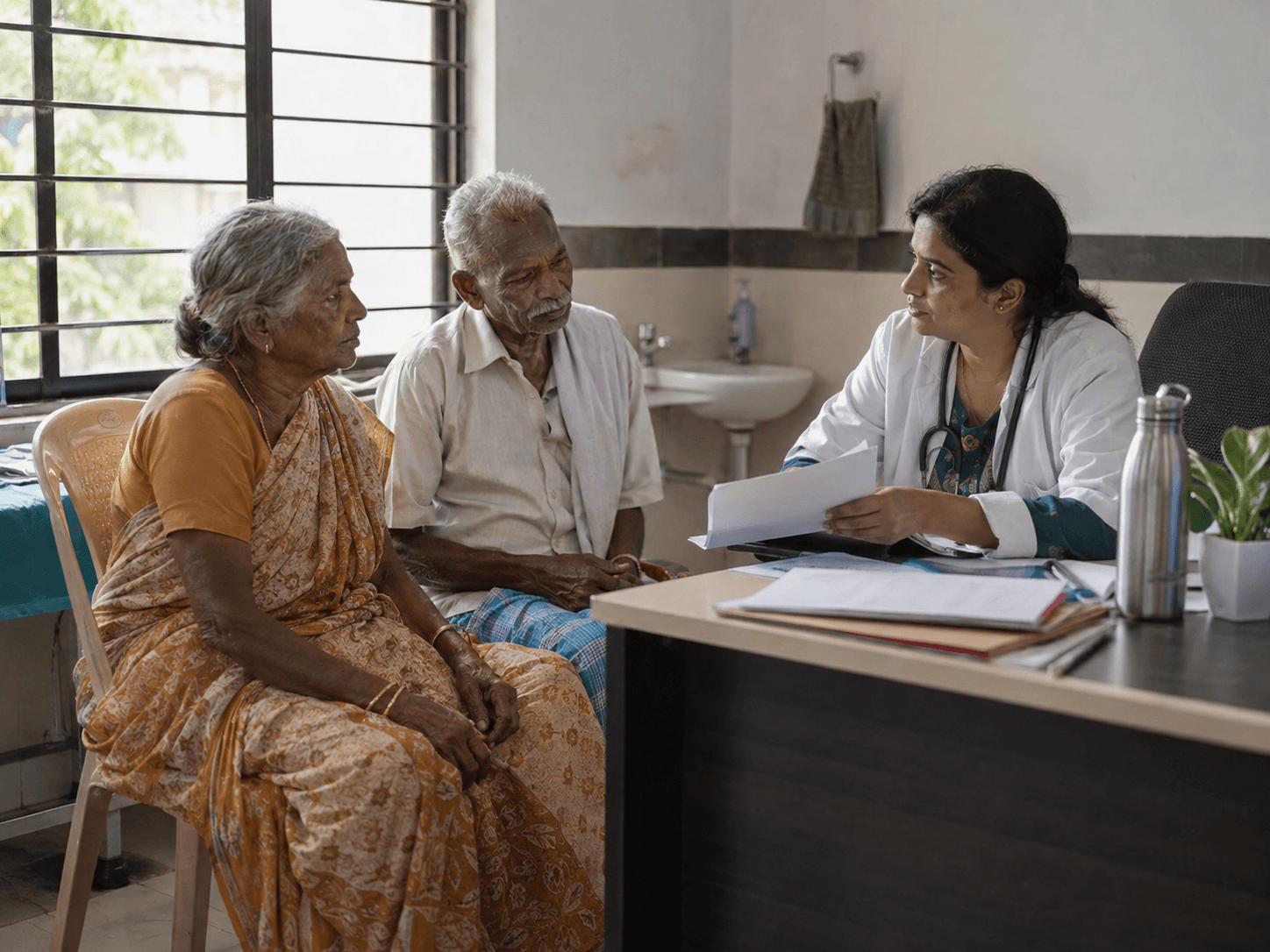

Service begins with understanding
A person’s need is not always fully visible at first. Anxiety about treatment may be accompanied by financial pressure; an interruption in education may reflect circumstances at home; a local concern may be made harder by uncertainty about whom to approach. Shiwendra Kumar Shukla’s approach to service starts with understanding that context. The purpose is to consider a useful way forward while respecting the dignity of the individual seeking help.
This approach values meaningful support over publicity. Conversations with families in need, concerns about healthcare and education, assistance during a crisis and help raising local issues all require practical attention alongside compassion. Every request has its own circumstances. The appropriate response begins with listening and understanding, rather than assuming that the same form of assistance will be suitable or available in every case.
01 / ACCESS TO CARE
Helping families navigate access to care
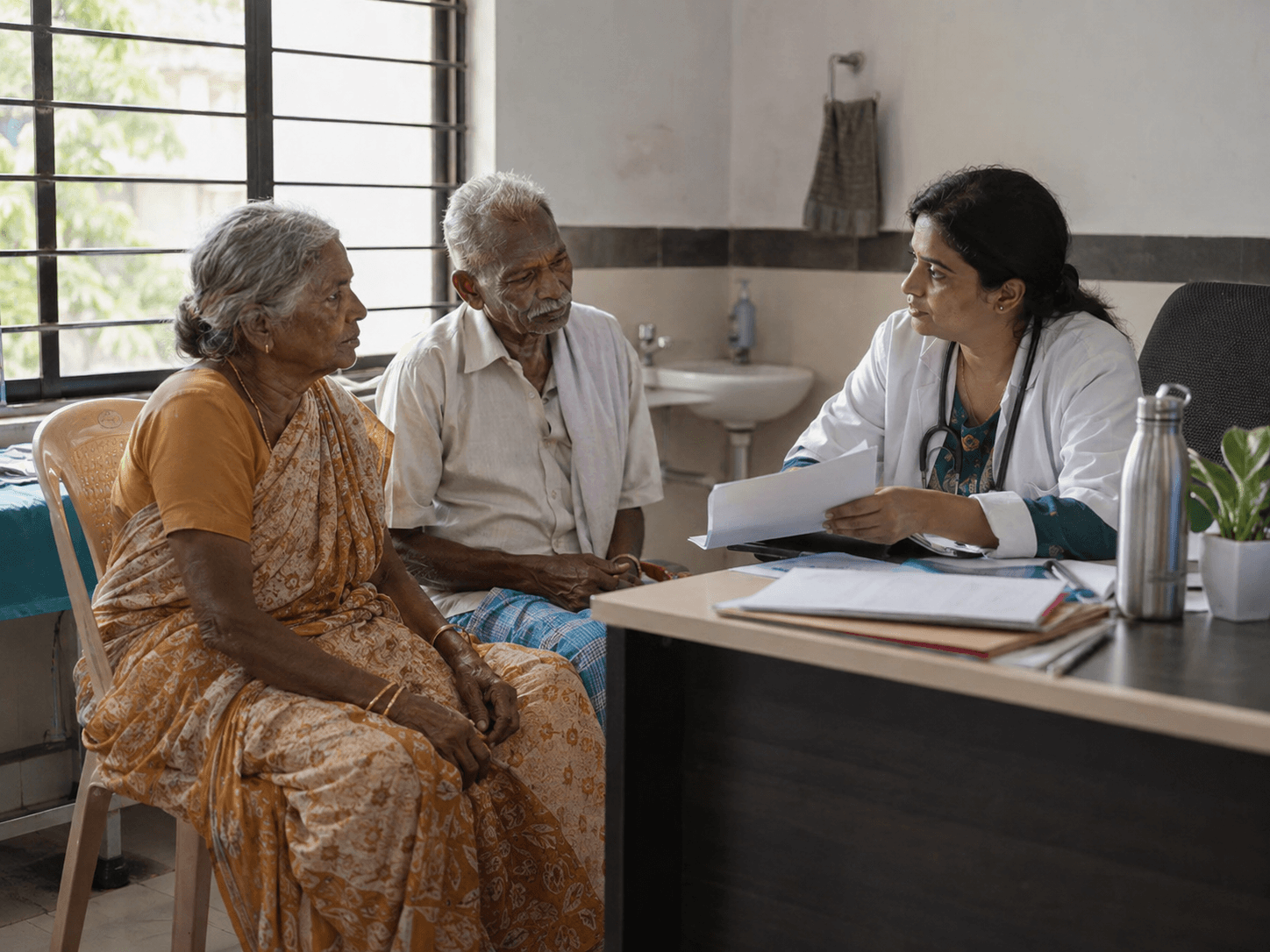
A need for care affects the whole family.
Knowing that treatment exists is only one part of a family’s experience of serious illness. People may also need help understanding information, reaching professional advice and navigating what happens next. Drawing on experience connected with healthcare, Shiwendra’s service concerns include listening to these families and considering appropriate routes to support. Assistance in this context does not replace clinical advice; it is about helping people seek suitable professional care.
His healthcare concerns include support for families facing cancer, cardiac illness and congenital heart conditions in children. These circumstances call for careful listening, respect for patient privacy and attention to the practical difficulty a family is facing. The emphasis is on the human need for information, access and support around care. Decisions about diagnosis and treatment remain matters for the qualified clinicians involved in an individual patient’s care.
Health camps, eye-health initiatives and guidance when assistance is needed also belong to this wider view of service. When information about a specific activity is published, its location, organiser and available services should be clear. This page explains service concerns; it does not announce an active camp, provide appointment booking or operate as an emergency medical channel.
02 / EDUCATION
Supporting continuity in education
Educational support is about more than gaining admission. Continuing to study can depend on access to essential materials, support at home and an opportunity to understand the next stage. Listening to students in need and considering possibilities for appropriate assistance is an important service concern. The purpose is to make space for a student to explain a difficulty clearly and have it taken seriously.
The relationship between education and self-reliance continues beyond the classroom. A thoughtful approach therefore considers information and guidance alongside continuity of study. Students and families can use Jan Samvad to explain their circumstances and the type of educational concern they wish to raise.

03 / FAMILIES & GIRLS
Families in need, supported with dignity
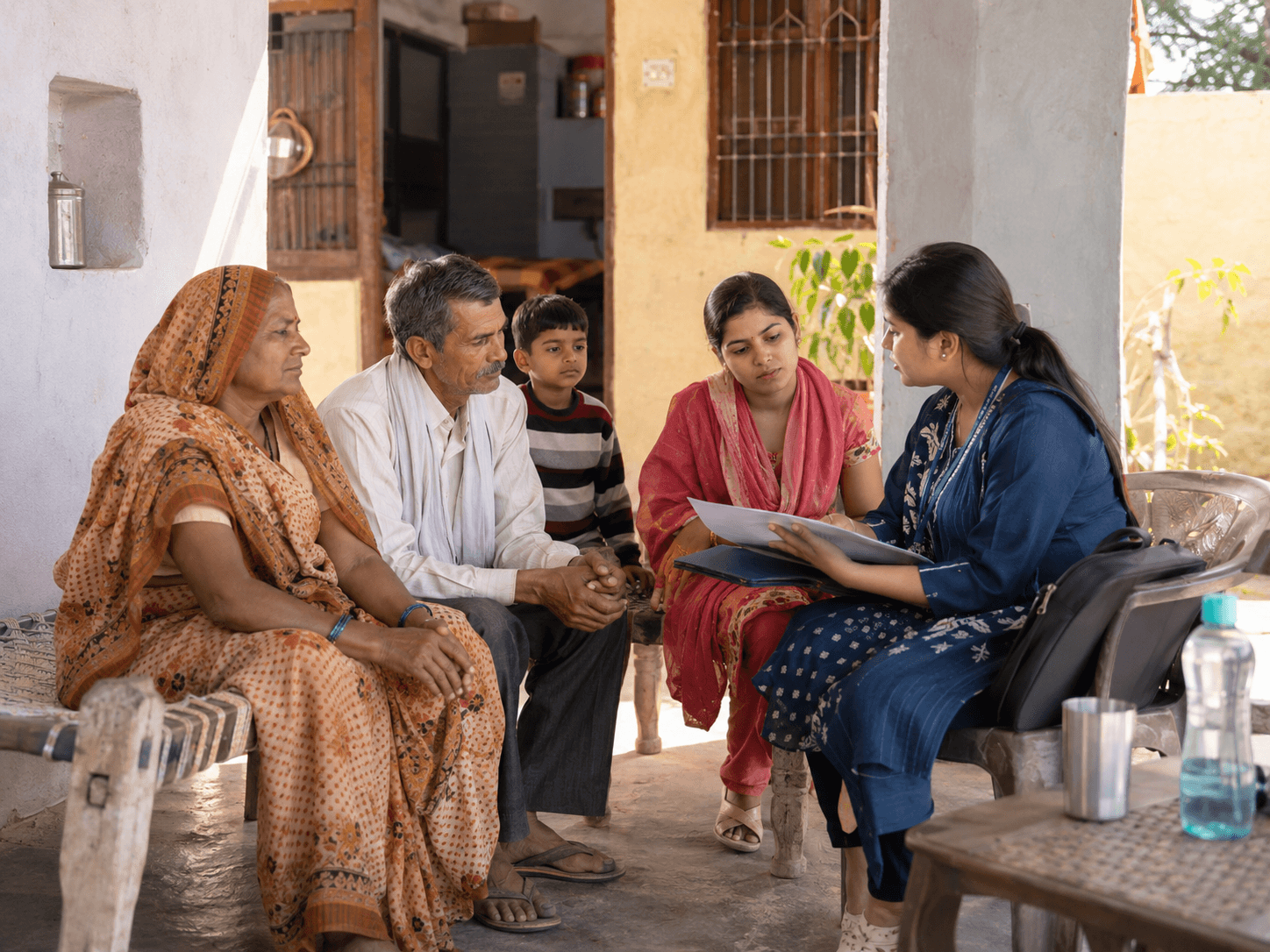
Financial hardship can bring several needs together at once. A sensitive conversation means understanding what is needed, avoiding unnecessary requests for private information and considering assistance with respect. Helping poor and needy families is part of Shiwendra’s public-service positioning. It is presented as a commitment to useful support, without turning a family’s difficult circumstances into a public display.
The service outlook also includes assistance connected with girls, family difficulties and significant occasions such as marriage. Each circumstance should be approached with regard for individual dignity and the wishes of the family. Sharing a service concern does not require publishing names, photographs or private details about the people involved.
Human support through difficult times.
04 / RELIEF & EMERGENCY SUPPORT
Practical solidarity in difficult times
During a disaster or sudden crisis, needs may change quickly. Ration and oxygen-related support during the COVID period formed part of this human responsibility. Such circumstances make it especially important to understand a family’s immediate need and consider practical routes to assistance. Difficult circumstances bring the value of timely information, access to appropriate channels and communication with families into sharper focus.
In times of crisis, what matters most is reaching people with the right information, necessary support and a strong sense of human compassion. During difficult situations, Shiwendra Kumar Shukla’s efforts have focused on understanding the immediate needs of affected families, connecting available resources and support in the right direction, and maintaining trust and communication with the people.
05 / RURAL CONCERNS
Listening to farmers and rural communities
A farmer’s concerns extend beyond the field. Irrigation, village access, information and essential services all affect family life. Understanding these issues requires attention to local experience. The service perspective includes helping people explain a concern clearly and consider the appropriate channel through which to raise it. The constituency’s detailed development priorities are presented separately on the Harchandpur page.

06 / YOUNG PEOPLE
Direction and dialogue for young people
Young people want opportunities, but access to them also depends on preparation and information. Listening to concerns about the next step after education, skills and employment is part of the service perspective. Explaining interests, current preparation and the help being sought can make that conversation more productive.
07 / COMMUNITY
Local voices and community participation
Helping someone raise a local grievance begins with understanding where the issue is, how it affects people and whether it has already been reported. Social, cultural and religious or community participation also provides space for dialogue. Respect and approachability matter in these relationships.
08 / FUTURE DIRECTION
The next direction: service closer to need
Support relating to older people and persons with disabilities, awareness around blood donation and assistance with winter essentials form part of the future direction for service. The ambition to develop further work in healthcare and education belongs to the same outlook. Any future initiative should be described with a clear purpose and an accurate account of its actual status.
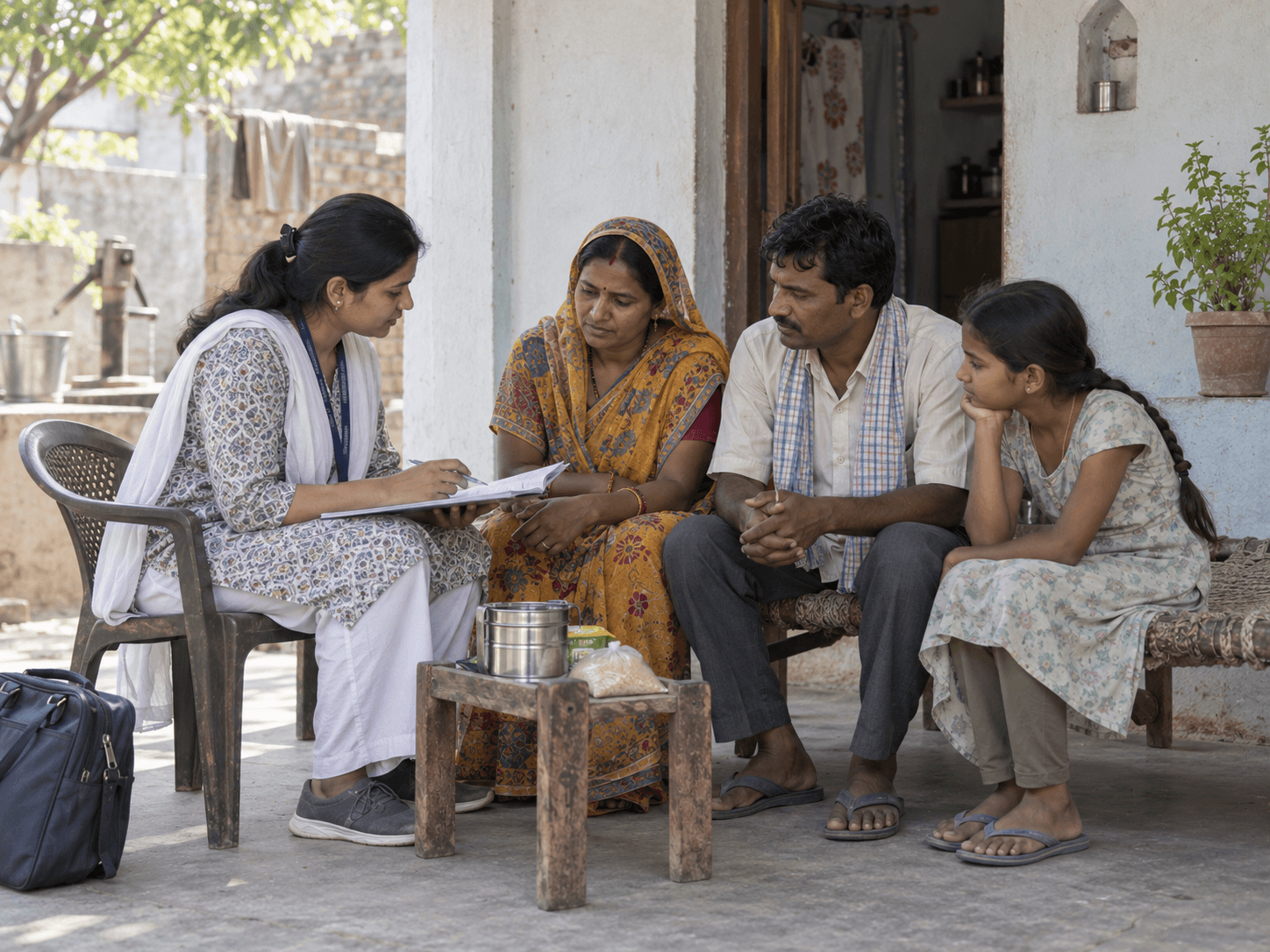
A RESPECTFUL SPACE TO REACH OUT